

Adults often expect grief to look like sadness. In children, it may look like play, anger, regression, or sudden bursts of laughter. None of these mean the child is 'fine.' They mean the child is grieving in the only language they have.
Grief by age
- Young children (5–8): magical thinking, asking when the person is coming back
- Tweens (9–12): anger, school struggles, wanting to appear strong
- Teens: risk-taking, withdrawal, intense mood swings
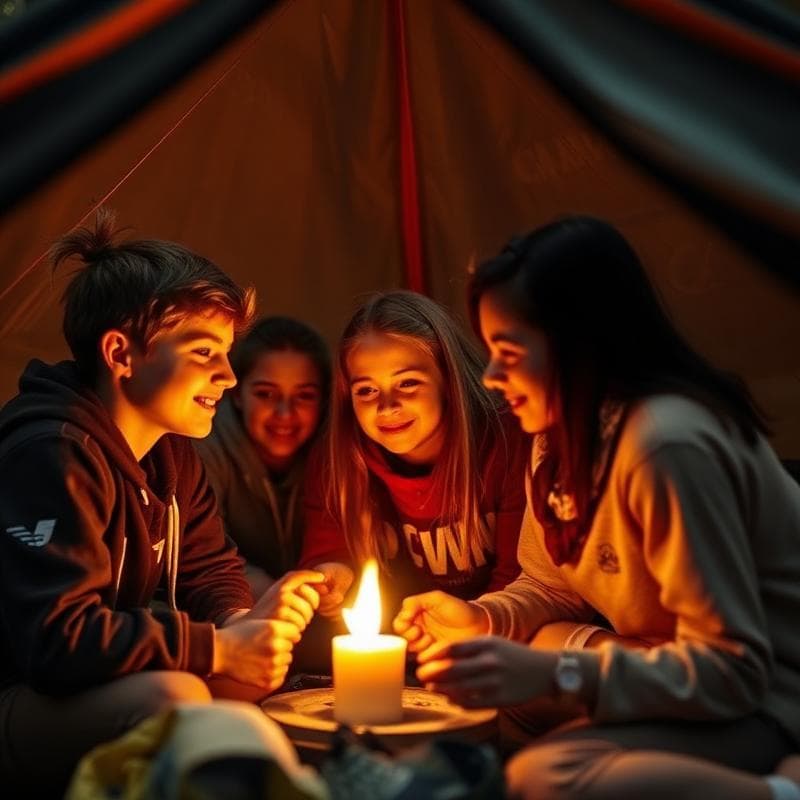
Recro's grief camp and children's therapy programmes create age-appropriate spaces where young mourners can express loss without performing resilience for the adults around them. Parents receive parallel support so the whole family can grieve at different speeds without losing each other.